Promotional Products That Customers Actually Keep.
21 February, 2025· Artículo de Beth Smith


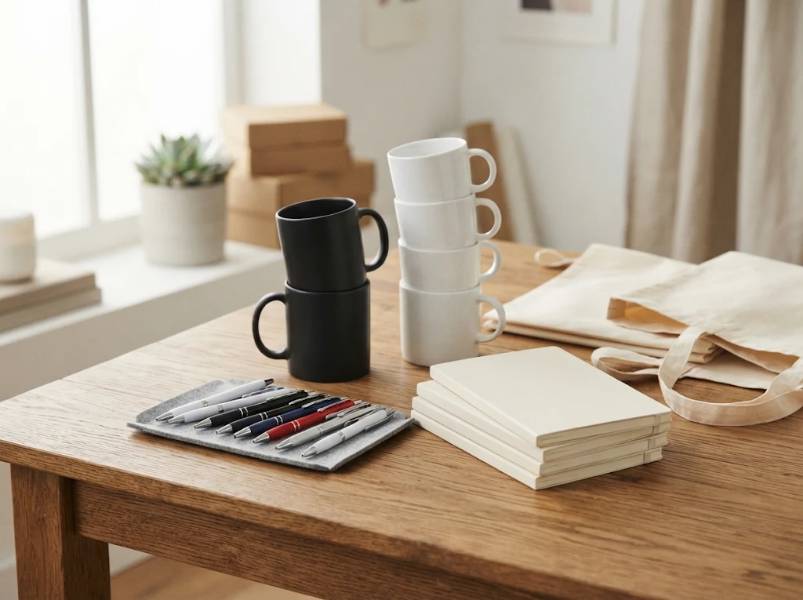
Every year, companies give away millions of pens, bags and mugs, and most of them end up in a drawer or a bin. A few items, however, stay in use for years and keep a brand in view every day. The difference lies in usefulness, quality and fit with the audience. These ideas will help you choose wisely.
What promotional products do
They keep your name in front of people in a tangible form. A good item creates goodwill and reminds customers of you each time they use it.
Utility is the first rule, because people keep what they use.
Start with the goal
Do you want to attract leads at a trade show, thank loyal customers or welcome new employees? Each goal needs a different item and budget.
Write the goal in one sentence before shopping.
Know your audience
Students, executives and families value different things. Think about daily routines, weather and interests.
A well chosen gift feels personal, even when printed in large quantities.
Items that tend to last
Reusable bottles, tote bags, notebooks, power banks, umbrellas and quality pens are popular for good reason. They solve small daily problems.
Choose designs that are stylish enough to use in public.
Quality beats quantity
A cheap item that breaks quickly leaves a negative impression. It is better to give fewer, better products.
Ask for samples before ordering large runs.
Think about the brand message
A tech brand may choose charging cables, while a food brand might offer a recipe notebook or a spice set. Fit makes the gift more memorable.
Avoid items that conflict with your values.
Keep branding tasteful
A small, clean logo is more likely to be used than a huge slogan. Good contrast and simple layout improve visibility.
Use one or two colors that match your identity.
Set a realistic budget
Include product cost, printing, packaging, shipping and storage. Cheap prices per unit may hide setup fees.
Plan a small reserve for corrections.
Order early
Production and shipping take time, especially for custom items or imports. Allow extra weeks before events.
Rush fees quickly reduce your savings.
Safety and regulation
Products sold or given away in some markets must meet safety rules and carry warnings, manufacturer information and instructions in local languages. This applies especially to items for children and electrical goods.
Our overview of GPSR translation requirements explains what information must accompany products in the European Union.
Advertising rules
Promotions and gifts should not mislead customers. Official guidance helps businesses stay honest and compliant. See the FTC advertising and marketing guidance for general principles.
Check local rules about gifts to public officials and business partners.
Reach Spanish speaking customers
Spanish is spoken across many regions, and gifts, packaging and slogans should reflect local language and culture. A slogan that works in one country may sound odd in another.
Brands rely on Spanish translation services to adapt messages, instructions and inserts for different markets.
Packaging matters
A simple box, a thank you card or a recyclable wrap makes the gift feel valuable. First impressions count.
Avoid excess plastic.
Personalize when possible
Names, small custom messages or choice of color make people feel noticed. Even a handwritten note adds warmth.
Personal touches are cheap but powerful.
Distribute with purpose
Give items to people who are likely to use them, not to everyone who walks by. Combine the gift with a conversation or a clear next step.
Collect contact details with permission.
Use items at events
Trade shows and conferences are ideal for giveaways. Place the best items behind the booth for serious visitors and cheaper ones for casual traffic.
Have a plan for follow up after the event.
Employee and client gifts
Gifts for employees and key clients should be higher quality and sometimes customized. Timing around holidays and anniversaries builds relationships.
Consider cultural norms about gift giving.
Think about sustainability
Choose durable, recyclable or recycled materials and avoid single use plastic. Customers notice and appreciate environmental care.
Be honest in your claims and avoid vague green words.
Measure the results
Use coupon codes, landing pages or surveys to see how gifts affect leads and sales. Track the cost per lead.
Compare results between different items.
Work with trusted suppliers
Check references, production time and quality control. Ask about minimum orders and returns.
Clear contracts prevent surprises.
Avoid common mistakes
Choosing by price alone, ignoring audience and ordering too late are frequent errors. Do not put too much text on the item.
Test the design on a mockup.
Final thought
The best promotional product is useful, attractive and fits the brand. When people keep it, they remember you.
Choose carefully and give with sincerity.
Plan the handover
Hand gifts over with a short, friendly word about why you are giving them. A moment of attention makes the item more memorable than a product dropped in a bag.
The story behind a gift is often what customers remember.
Store leftovers wisely
Keep unused items in a dry place and use them for later events, employee welcome kits or small thank you gifts. Avoid stockpiling items with expiry or dated designs.
Entradas recientes
Termos personalizados: cómo e...

Goodies de salon professionnel...

Spanish Localization for Promo...
Messe Werbeartikel richtig aus...
Promo Products That Make Trade...
Spanish Catalogs for Promotion...
Compártelo.

Enlaces
Usamos cookies
Usamos cookies para ofrecerte la mejor experiencia, recordar tus preferencias y entender cómo se usa el sitio. Puedes aceptar todas, rechazar las opcionales o elegir qué categorías permitir.
Política de privacidadPreferencias de cookies
Elige qué cookies podemos usar. Las cookies necesarias permanecen activas porque el sitio no puede funcionar sin ellas.
Para más detalles, lee nuestra Política de privacidad.